Unlocking the Health Power of Cayenne Pepper, Black Pepper & Turmeric: Benefits, Dosage & Timing
Explore the scientifically backed health benefits of cayenne pepper, black pepper, and turmeric. Learn how much to consume for wellness, optimal timing for best absorption, and why these spices belong in your daily routine.
HEALTH
Staff Writer
10/16/20253 min read
Spices don’t just make food taste better — they can deliver impressive health benefits. Among the most powerful are cayenne pepper, black pepper, and turmeric. From reducing inflammation to supporting digestion and metabolism, these everyday kitchen staples have been the subject of modern research and traditional medicine alike. In this post, we break down what science says about their health benefits, recommended amounts, and whether there’s a best time of day to enjoy them.
🧡 Turmeric: A Golden Anti-Inflammatory Powerhouse
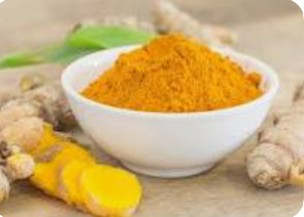
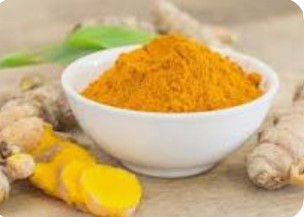
Turmeric’s magic lies in curcumin, a polyphenol with strong antioxidant and anti-inflammatory effects. Research highlights:
Health Benefits
May help reduce chronic inflammation linked to arthritis, heart disease, and metabolic disorders. Hopkins Medicine+1
Potential support for digestive issues and joint discomfort. Hopkins Medicine
Early research suggests possible protection against oxidative stress and benefits for brain and metabolic health. Hopkins Medicine
Recommended Consumption
No official dosage exists for culinary turmeric, but a daily culinary amount of about ¼ to 1 teaspoon (≈500–2,000 mg of turmeric) added to food is a safe and common practice. NutritionFacts.org
Curcumin supplements (higher concentration) often range from 500 mg to 1,000 mg per day in studies looking at inflammation or joint pain relief, though long-term use should involve medical guidance. The Times of India
Best Time to Take It
Turmeric’s active compounds are fat-soluble. Taking it with a meal that contains some healthy fats (like avocado, nuts, eggs, or olive oil) can improve absorption. EatingWell
There’s no strict “best hour”, but pairing turmeric with meals consistently is more important than timing it at a specific part of the day.
🌶️ Cayenne Pepper: Spice Up Metabolism & Circulation
Cayenne pepper contains capsaicin, a compound credited with several health effects.
Health Benefits
May help improve metabolism and support weight management by increasing heat production in the body. WebMD
Supports digestion by stimulating digestive fluids. WebMD
Capsaicin may act as a natural pain reliever and support heart health through improved circulation. WebMD
Recommended Consumption
There’s no formal recommended dose for cayenne. In cooking, a pinch to ¼ teaspoon per meal is typical and safe for most people. WebMD
Some people use up to ½–1 teaspoon in teas or health drinks, but higher amounts can cause stomach discomfort or heartburn for sensitive individuals.
Best Time to Take It
Cayenne can be taken with meals — especially breakfast or lunch — to potentially help with post-meal metabolism.
Avoid large doses late at night if you are sensitive to spices, as it might cause heartburn or sleep disruption.
🖤 Black Pepper: Small Spice, Big Bioavailability Boost
Much more than a table staple, black pepper’s active compound piperine enhances nutrient absorption and offers its own benefits.
Health Benefits
Stimulates digestive enzymes and may help with bloating and digestion. Verywell Health
Has anti-inflammatory and antioxidant properties. Verywell Health
Significantly increases the absorption of curcumin from turmeric — in some studies up to 2,000% more bioavailable. Verywell Health
Recommended Consumption
Typical culinary use (a few grinds or up to ½ teaspoon daily) is safe and beneficial.
Supplements with 5–20 mg of piperine per day have been studied safely. VitaBright
Best Time to Take It
Include black pepper with meals, especially those containing turmeric, to optimize nutrient absorption and digestive support.
🍽️ Synergy: Why Combining These Spices Matters
Turmeric, cayenne, and black pepper can work together in powerful ways:
Black pepper enhances curcumin absorption dramatically when paired with turmeric. Verywell Health
Cayenne’s capsaicin adds metabolic and circulation benefits.
All three spices contribute antioxidants and may support inflammation reduction and digestive health.
Adding these spices to meals throughout the day — especially with meals that include healthy fats — not only boosts flavor but supports your body’s ability to absorb and use their active compounds.
✨ Final Tips for Safe Use
Start with small amounts if you’re new to these spices.
If taking supplements, especially turmeric-curcumin at high doses, consult a healthcare provider. EatingWell
Those with gastrointestinal sensitivity, ulcers, or certain conditions should be cautious with high doses.
Enjoying these spices regularly in food is generally safe for most people.
By weaving these flavorful spices into your everyday meals, you’re not just boosting taste — you’re tapping into centuries of wellness tradition backed by modern science. Add them thoughtfully, enjoy the benefits, and spice up your health.
📌 Sources & Links
Verywell Health – Black Pepper Benefits — https://www.verywellhealth.com/black-pepper-benefits-11853219 Verywell Health
Verywell Health – Turmeric & Black Pepper Benefits — https://www.verywellhealth.com/turmeric-and-black-pepper-11716105 Verywell Health
WebMD – Health Benefits of Cayenne Pepper — https://www.webmd.com/diet/health-benefits-cayenne-pepper WebMD
Hopkins Medicine – Turmeric Benefits — https://www.hopkinsmedicine.org/health/wellness-and-prevention/turmeric-benefits Hopkins Medicine
NutritionFacts.org – Turmeric & Black Pepper Daily Intake — https://nutritionfacts.org/blog/why-pepper-boosts-turmeric-blood-levels/ NutritionFacts.org
EatingWell – Best Time to Take Turmeric — https://www.eatingwell.com/the-best-time-to-take-a-turmeric-supplement-for-maximum-absorption-11687326 EatingWell