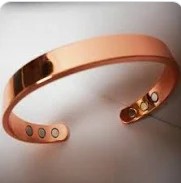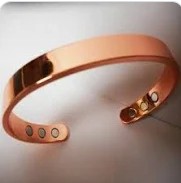
Copper Bracelets: Benefits, Myths, and What the Evidence Really Shows
Copper bracelets are often worn for pain relief and wellness—but do they actually work? Learn the claimed benefits of copper bracelets, what science says, and what’s fact vs. myth.
HEALTH
Staff Writer
7/31/20253 min read
The Benefits of Wearing Copper Bracelets: Claims, Science, and What to Know
Copper bracelets have been worn for thousands of years and remain popular today—especially among people looking for natural, low-cost wellness options. You’ll often see claims that copper bracelets can relieve joint pain, reduce inflammation, or improve circulation.
But how much of this is supported by evidence, and how much is tradition or personal experience?
At ShareThisInfo.com, the goal is simple: separate helpful information from hype. Below is a clear, research-based look at the commonly claimed benefits of wearing copper bracelets.
Disclaimer: This article is for informational purposes only and is not medical advice. It summarizes publicly available research and historical use.
1. Joint Pain Relief: The Most Common Claim
The Claim
Copper bracelets are frequently marketed as a natural remedy for arthritis, joint pain, and stiffness.
What the Evidence Shows
Well-designed clinical studies have found no significant difference between copper bracelets and placebo bracelets when it comes to pain reduction in arthritis patients.
That doesn’t mean people don’t feel relief—it simply means the relief is likely due to the placebo effect, not copper absorption through the skin.
Bottom line: Pain relief is possible for some wearers, but it is not scientifically linked to copper entering the body through the bracelet.
2. Anti-Inflammatory Effects: Tradition vs. Proof
The Claim
Copper is believed to have anti-inflammatory properties that reduce swelling and discomfort.
Reality
Copper is involved in inflammatory regulation when consumed as a nutrient, but there is no reliable evidence that copper bracelets reduce inflammation through skin contact.
This belief likely comes from copper’s known biological role in the body—just not through jewelry.
3. Copper as an Essential Mineral (Dietary Context Matters)
Copper is an essential trace mineral that supports:
Red blood cell production
Immune function
Nervous system health
Collagen and connective tissue formation
However, these benefits come from dietary intake, not from wearing copper jewelry.
Copper-rich foods include:
Shellfish
Nuts and seeds
Whole grains
Dark leafy vegetables
Wearing a bracelet does not replace nutritional copper.
4. Antimicrobial Properties of Copper
Copper has well-documented antimicrobial properties. In medical and industrial settings, copper surfaces help reduce bacteria and viruses.
While this is scientifically supported, wearing a copper bracelet offers minimal real-world antimicrobial benefit. Still, this property helps explain copper’s long-standing reputation as a “healing metal.”
5. Circulation Improvement: Anecdotal Reports
Some people report warmer hands or improved circulation when wearing copper bracelets. At this time, there is no scientific evidence confirming that copper bracelets improve blood flow.
These experiences vary from person to person.
6. Green Skin Marks: What They Really Mean
Copper bracelets often leave green marks on the skin. This is:
Harmless
Caused by copper reacting with sweat and skin oils
It does not mean copper is entering the bloodstream. People with metal sensitivities should stop wearing copper jewelry if irritation occurs.
7. Placebo Effect and Psychological Benefits
One of the most realistic benefits of copper bracelets is psychological. If wearing a bracelet:
Encourages positive habits
Makes someone feel proactive about wellness
Provides comfort or reassurance
Those effects can be meaningful, even without a biological mechanism.
8. Style, Symbolism, and Personal Meaning
Beyond health claims, copper bracelets are:
Stylish and affordable
Culturally symbolic in many traditions
Often associated with balance and wellness
For many people, that alone makes them worth wearing.
Final Takeaway: Are Copper Bracelets Worth It?
Copper bracelets are generally safe and inexpensive, but expectations should be realistic.
Copper bracelets do NOT:
Treat arthritis
Reduce inflammation through skin absorption
Replace medical treatment or nutrition
Copper bracelets MAY:
Provide placebo-based pain relief
Offer symbolic or psychological comfort
Serve as a meaningful fashion or wellness accessory
If you like wearing one and it makes you feel better, there’s little downside—just don’t rely on it as a medical solution.
Sources & References
University of York – Copper bracelets and arthritis study
https://www.york.ac.uk/news-and-events/news/2013/research/copper-bracelets/National Institutes of Health (NIH) – Copper fact sheet
https://ods.od.nih.gov/factsheets/Copper-HealthProfessional/Arthritis Foundation – Do copper bracelets help arthritis?
https://www.arthritis.org/health-wellness/healthy-living/managing-pain/pain-relief-solutions/do-copper-bracelets-help-arthritisCenters for Disease Control and Prevention (CDC) – Copper antimicrobial properties
https://www.cdc.gov/infectioncontrol/guidelines/environmental/background/surfaces.html